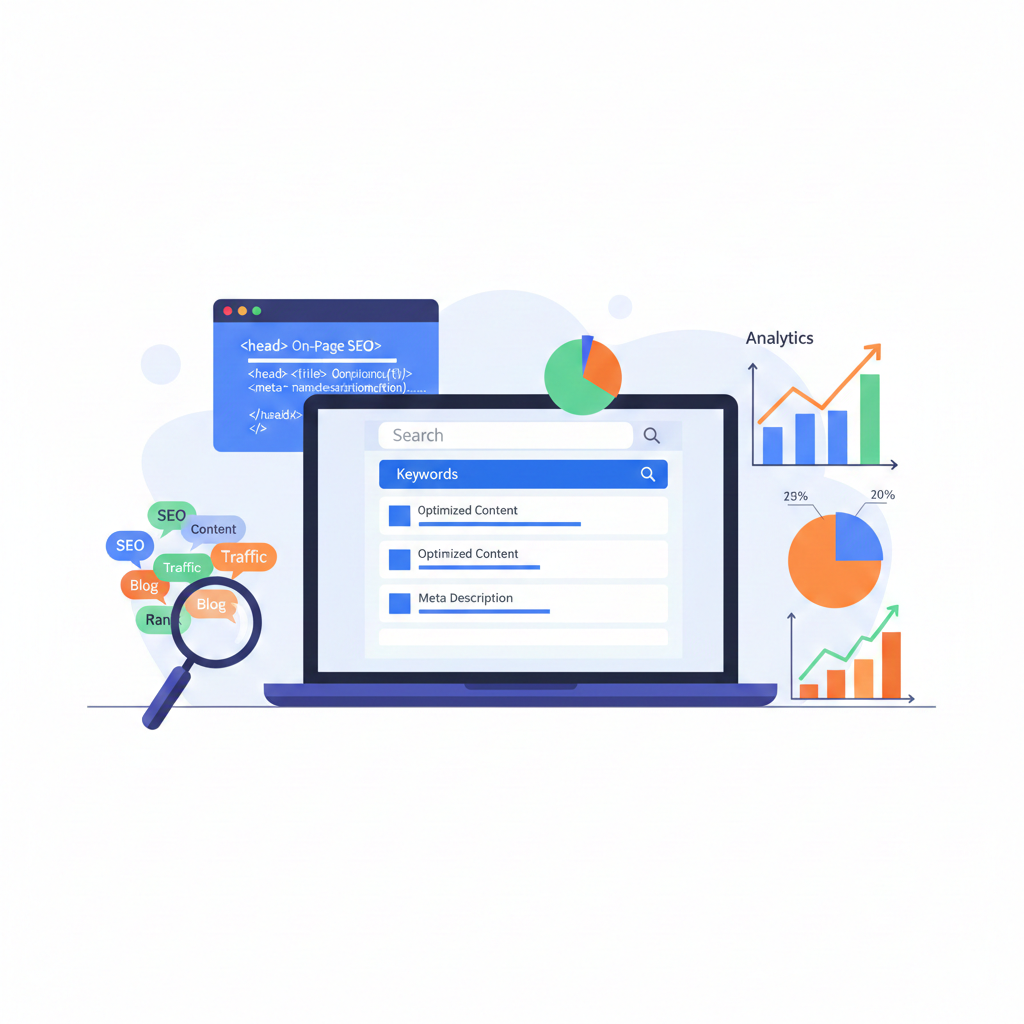

In today’s digital world, having a website is not enough. If your website is not optimized for search engines, it will struggle to reach your target audience. Website SEO (Search Engine Optimization) is the key to increasing your online visibility, driving organic traffic, and improving your search engine rankings. In this guide, we at SolutionsForYou will cover everything you need to know about website SEO.
1. What is Website SEO?
Website SEO is the process of optimizing your website to make it more attractive to search engines like Google, Bing, and Yahoo. The goal is to rank higher in search results and attract more organic traffic. SEO involves a combination of technical optimization, content strategy, and link-building techniques.
2. Importance of SEO
Increase Organic Traffic: SEO helps your website appear on top of search results, attracting more visitors without paying for ads.
Build Credibility: Websites that rank higher are considered more trustworthy by users.
Better User Experience: SEO requires optimizing site speed, mobile-friendliness, and navigation, improving overall user experience.
Cost-Effective Marketing: Unlike paid ads, SEO provides long-term results with lower investment.
3. Key Components of Website SEO
a. On-Page SEO
Title Tags & Meta Descriptions: Make them relevant and keyword-rich.
Header Tags (H1, H2, H3): Organize content and include target keywords.
URL Structure: Clean, descriptive URLs with keywords.
Image Optimization: Use alt tags and compress images for faster loading.
Internal Linking: Link related pages to improve site navigation and SEO.
b. Off-Page SEO
Backlinks: High-quality backlinks from reputable websites improve rankings.
Social Media Engagement: Sharing content on social platforms drives traffic.
Guest Blogging: Writing on other websites boosts visibility and authority.
c. Technical SEO
Site Speed Optimization: Faster websites rank higher.
Mobile-Friendliness: Responsive design is essential for mobile users.
XML Sitemap & Robots.txt: Helps search engines understand your site structure.
Secure Website (HTTPS): Secure sites are preferred by Google.
4. Keyword Research
Keyword research is the foundation of SEO. Find the keywords your target audience is searching for, including:
Short-tail keywords (e.g., “SEO tips”)
Long-tail keywords (e.g., “How to improve website SEO for small businesses”)
Using the right keywords naturally in your content helps search engines understand your page.
5. Content Strategy
High-quality, engaging content is crucial for SEO:
Write original, informative, and keyword-rich content.
Use headings, bullet points, and images for readability.
Update old content regularly to keep it relevant.
6. Measuring SEO Success
Track your SEO performance with tools like:
Google Analytics: Monitor traffic, bounce rate, and conversions.
Google Search Console: Track search rankings and indexing issues.
SEO Audit Tools: Identify on-page and technical issues.
Conclusion
Website SEO is not a one-time task; it’s an ongoing process. By implementing the right on-page, off-page, and technical SEO strategies, your website can achieve higher search rankings, attract more traffic, and generate better business results. At SolutionsForYou, we help businesses optimize their websites to maximize online visibility and growth.